There's nothing quite like being outdoors, no matter the season. But let’s be honest, being cold and wet can ruin even the most scenic hike. Over the years, I've learned a thing or two about staying comfortable in unpredictable weather. It's not just about having the right gear; it's about understanding how different materials work and what works best for you. Let me share my experience and some tips I've picked up along the way.
I remember one particularly miserable autumn hike. I thought I was prepared, but a sudden downpour quickly proved me wrong. My cotton layers soaked through, and I was shivering within minutes. That day, I realized that staying warm wasn't just about piling on clothes; it was about choosing the right materials. I started researching and experimenting to find the best solutions for staying dry and comfortable, especially when the weather turned damp and chilly.
One of the biggest game-changers for me was switching to wool. I had always associated wool with itchy sweaters, but I discovered that merino wool is incredibly soft and comfortable. I started with wool socks, and the difference was amazing. My feet stayed warm even when they got a little damp. Then, I invested in a merino wool base layer, and it became my go-to for any outdoor activity. Wool really does keep you warm, even when wet.
Finding quality wool products can be a bit of an investment, but it's worth it in the long run. I've found that starting with key items like socks, gloves, and base layers is a great way to build your wool wardrobe. I always keep a pair of simple black wool liner gloves in my winter wardrobe. They are lightweight, warm, and perfect for layering under heavier gloves when it's really cold.
Speaking of base layers, I stumbled upon Stanfields long underwear. They are a fantastic option for keeping warm and dry. They are durable and provide excellent insulation without being too bulky. I wear them under my hiking pants or even just around the house when it's cold. They've become an essential part of my winter wardrobe.
After mastering the base layers, I focused on finding a good waterproof shell. I learned that it's crucial to have a reliable outer layer that can keep the rain and wind out. I opted for a waterproof hiking jacket that allows for layering underneath. Look for features like adjustable cuffs, a hood, and taped seams to ensure maximum protection.
For the mid-layer, I usually go for something with good insulation properties. Fleece jackets are a classic choice, but I've also found success with lightweight down jackets. The key is to choose a layer that can trap heat without being too bulky or restrictive. It should also be breathable to prevent overheating during activity.
I also decided to try a Milwaukee heated jacket for the winter months. It's been a game-changer for staying warm and dry while spending extended periods outside. The jacket is comfortable, allows me to control the heat level, and is surprisingly effective at blocking wind and light rain. They even have a heated hoodie for spring and fall which I also find useful.
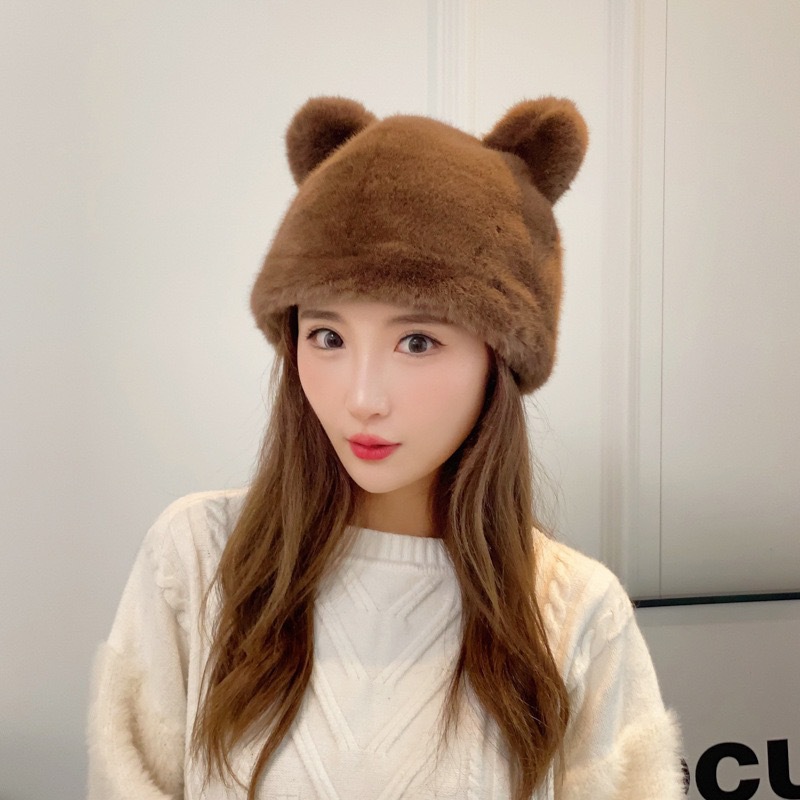
Don't underestimate the importance of a good hat! I've discovered that keeping my head warm makes a huge difference in overall comfort. I often wear a beanie, and I recently found a Beanie Hat Cap that's not only warm but also super cute. It's a women's autumn/winter plush ear bear cap, and it's incredibly soft and comfortable. It's perfect for keeping my head warm on chilly days.
And if you're planning on spending a lot of time outdoors in the snow, a good pair of snow pants is essential. I bought a pair at Sportchek over ten years ago, and they're still going strong. Look for pants that are waterproof, insulated, and have reinforced knees and seat for added durability.