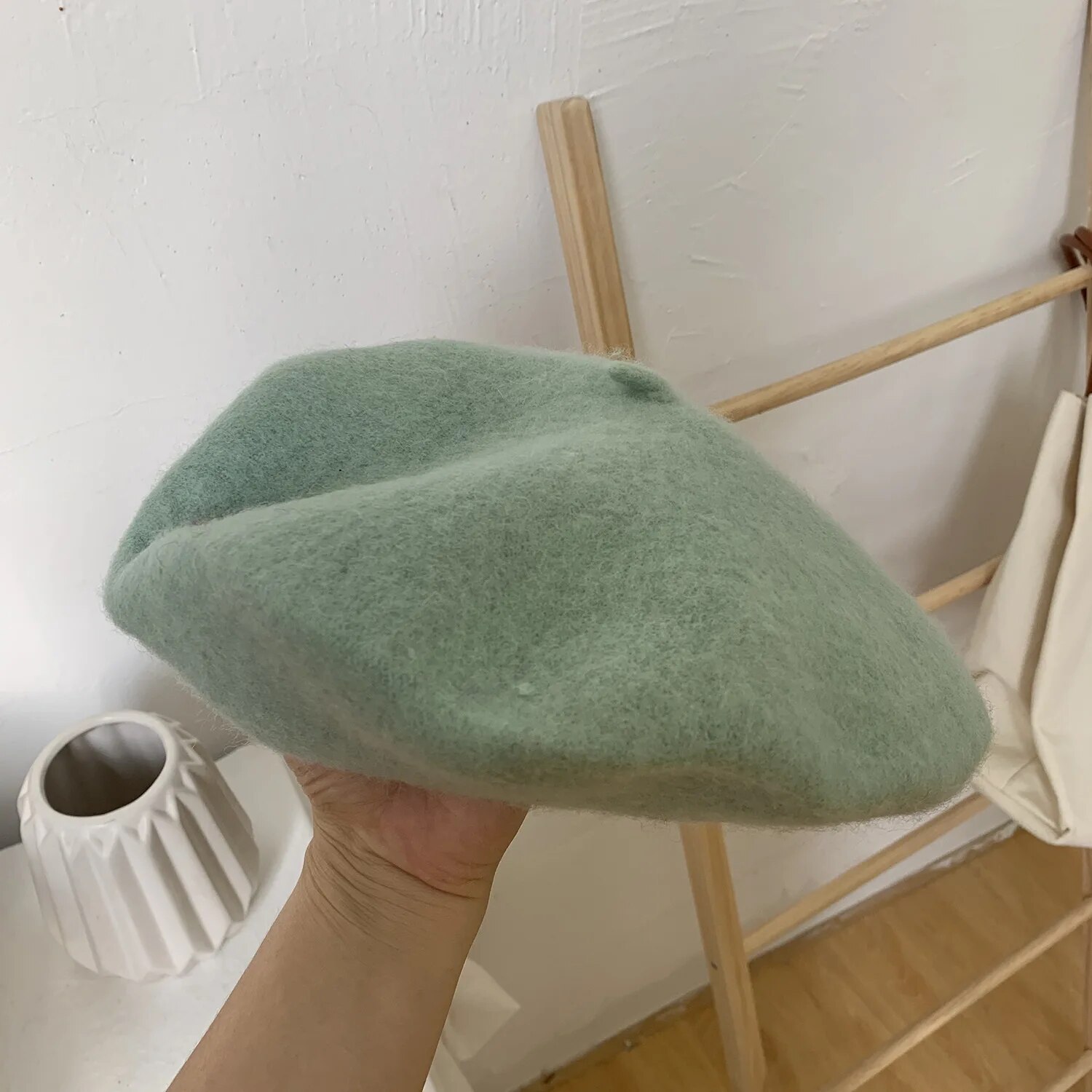
Okay, let me tell you, I was not prepared for my first winter. I moved from a place where "cold" meant you needed a light jacket, to a place where "cold" meant you might actually freeze solid. It was a rude awakening, to say the least. But after a few years, and a lot of trial and error, I've finally figured out how to stay warm and (relatively) comfortable. I want to share my hard-earned wisdom with you, so you don't have to make the same mistakes I did! The right winter gear makes all the difference.
I remember my first winter like it was yesterday. I thought my regular coat would be fine. I was so, so wrong. I was constantly shivering, my fingers were numb, and my ears felt like they were going to fall off. I tried to tough it out, but it was miserable. I quickly realized I needed a serious upgrade to my winter wardrobe.
The biggest problem? I didn't understand layering. I thought one big, bulky coat would do the trick. Again, wrong. It turns out that layering is key to staying warm in extreme cold. It allows you to trap heat and adjust to changing temperatures.
After a lot of research and experimentation, I finally found a system that works for me. Here's what I learned:
The first and most important thing I learned was the power of layering. Instead of relying on one super-thick item, I now wear several thinner layers. This allows me to trap more heat and adjust to changes in temperature. For example, I start with a moisture-wicking base layer, then add a fleece or sweater for insulation, and finally a waterproof and windproof outer layer.
Don't underestimate the importance of hats, gloves, and scarves! These accessories can make a huge difference in your overall warmth. I used to think any old hat would do, but I quickly learned that a good hat can make or break your winter experience. I've found that I need warmer head coverings and mittens than I initially thought. Sometimes I even use earmuffs and a balaclava for extra protection. It's all about finding what works best for you.
Recently, I discovered the 100% Wool Retro Beret Hat from Wholecustomdesign. This stylish and warm hat has become a staple in my winter wardrobe. It's not only functional, keeping my head cozy, but also adds a touch of British Hepburn style to my outfits.
For gloves, I try to find something as thin as I can tolerate while still keeping my hands warm. This allows me to maintain some dexterity while still being protected from the cold. Mittens are often warmer than gloves, but they can be less practical for certain activities.
Choosing the right coat is crucial. I learned that having more than one coat is actually a good idea. I have a lighter coat for days when the temperature is above 20 degrees, and a much heavier, longer coat for colder days. My longer coat goes past my waist and covers my behind, which makes a huge difference in keeping me warm. I found a great deal on a Lands End down coat that goes past my knees. It's perfect for those really cold days with wind chill.
Warm boots are essential for protecting your feet from the cold and snow. Look for boots that are waterproof, insulated, and have good traction. I also recommend wearing warm socks, like wool or synthetic blends, to keep your feet dry and comfortable.
Beyond the right gear, here are some practical tips I've learned for surviving winter: